How to Get Smoke Smell Out of Your Bay Area Home
That smell. You know the one.
It clings to your curtains, soaks into your couch, and lingers in every room long after the source is gone. Smoke smell is one of the most stubborn odors a home can hold onto, and in a Bay Area home, it can feel impossible to shake.
But here's the exciting part: it absolutely can be done.
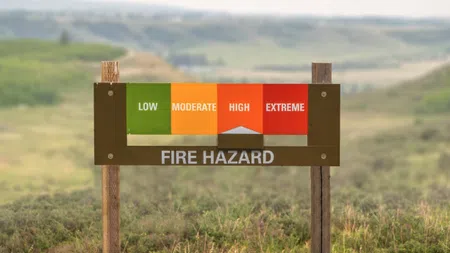
If you're dealing with cigarette smoke, wildfire fire smoke drifting in through the windows (hello, Bay Area fall season), or the aftermath of a house fire, the right approach makes all the difference.
This guide gives you everything you need to get smoke smell out of your home, room by room, surface by surface. Let's go.
Why Smoke Smell Is So Hard to Remove
First, let's talk about why this odor is such a beast.
Smoke particles are tiny. They travel through the air and land on literally everything: walls, ceilings, upholstery, carpet, countertops, and even inside your HVAC system. Once they settle, they bond to surfaces and release odor over time.
Air fresheners won't fix it. Candles won't fix it. Those things just layer more smell on top of the problem.
Step 1: Open Everything Up and Get Fresh Air Moving
This is your first and most important move: fresh air.
Open every window and door you can. Turn on ceiling fans. Get the air flowing through your home from one end to the other. Bay Area homeowners have a real advantage here, our mild climate means you can air out your home comfortably for much of the year.
If it's a smoky day outside (wildfire season is real around here), wait for a cleaner air day before opening up. Check the AQI for your area first.
Good airflow starts moving smoke particles out and fresh air in. It won't solve everything, but it's step one and it costs nothing.
Step 2: Attack Hard Surfaces First
Smoke residue settles on every hard surface in your home. Walls, ceilings, cabinets, countertops, windows, and baseboards all need attention.
Mix a cleaning solution of white vinegar and warm water (50/50) and use it to wipe down every surface you can reach. Vinegar is a powerhouse for neutralizing smoke odor at the molecular level. It doesn't just cover the smell, it breaks it down.
For heavier smoke damage, use hot water and a stronger solution with a few drops of dish soap added in.
Pay close attention to:
- Walls and ceilings (smoke rises and sticks)
- Light switches and doorknobs
- Window sills and blinds
- Cabinet doors and countertops
Rinse with clean water and dry thoroughly. You may need to repeat this process more than once for heavy smoke residue.
Step 3: Deodorize with Baking Soda and Activated Charcoal
Once you've wiped everything down, it's time to put your odor absorbers to work.
Baking soda is one of the best natural tools for deodorizing a smoke-affected space. Sprinkle it generously on carpets, rugs, and fabric furniture. Let it sit for several hours or overnight, then vacuum it up thoroughly.
Activated charcoal is another fantastic option. Place bowls of activated charcoal around the affected rooms. It pulls smoke odor out of the air passively over several days. No smell, no fuss, just chemistry doing its job.
Bowls of vinegar work similarly. Set them out in rooms with strong odor and let them sit overnight. The vinegar absorbs the surrounding smoke odor as it evaporates.
Use all three together for maximum impact.
Step 4: Tackle Upholstery and Fabric
Fabric is where smoke odor loves to hide. Sofas, chairs, curtains, cushions, and upholstered furniture all trap smoke particles deep in their fibers.
Here's your game plan:
- Sprinkle baking soda on all fabric surfaces and let it sit for a few hours before vacuuming
- Wash curtains, throw pillow covers, and any removable fabric items on a hot cycle
- For upholstery that can't go in the washer, a fabric-safe white vinegar spray works well, mist lightly, let it dry completely, and repeat if needed
And if the smoke smell has worked deep into your carpet or upholstered furniture, this is where professional deep cleaning becomes your best friend.
Zerorez Bay Area specializes in removing odor-producing substances from carpet and upholstery using a process that goes far deeper than a DIY approach can reach. They treat the source of the smell, not just the surface.
Step 5: Clean or Replace Your HVAC Filters
Here's the step most people completely miss, and it's a big one.
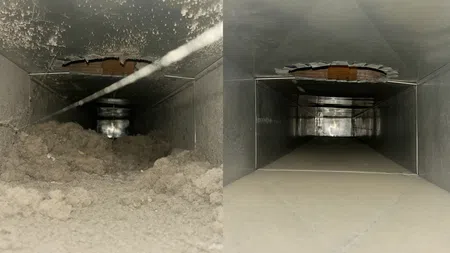
Your HVAC system pulls air through your home constantly. If smoke has gotten into your house, it has almost certainly gotten into your air duct system too. That means your air filters and HVAC filters are saturated with smoke particles.
If you run your air conditioning or heat without changing those filters, you're pumping smoke odor right back into your clean rooms.
Here's what to do right away:
- Replace your HVAC filters immediately (use a HEPA filter for the best particle capture)
- Run the system on fan mode with windows open to help flush out the ducts
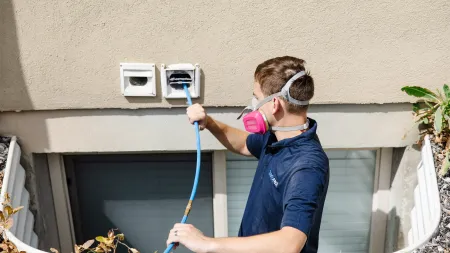
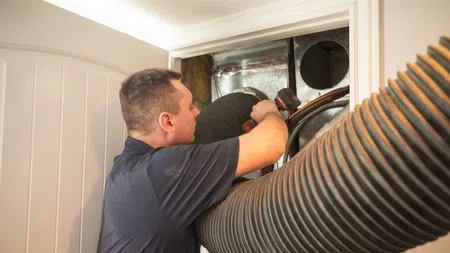
- Consider professional air duct cleaning if the smoke exposure was heavy
Getting your ducts cleaned after significant smoke exposure makes a massive difference in your long-term air quality. Visit our guide for more info: The Homeowner's Guide to Air Duct and Dryer Vent Cleaning.
Step 6: Run an Air Purifier
An air purifier with a HEPA filter is one of the most effective tools for clearing smoke particles from indoor air.
Run it continuously in the most affected rooms. Look for a purifier rated for the square footage of the space. A model with both a HEPA stage and an activated carbon stage will catch particles and neutralize odor at the same time.
For Heavy Smoke Damage: Know When to Call the Pros
If you're dealing with smoke damage from a house fire, or cigarette smoke smell that has built up over years, DIY cleaning methods will only go so far.
Heavy smoke residue penetrates walls, subfloor, insulation, and ductwork in ways that surface cleaning can't touch. In these cases, you may need to:
- Repaint walls and ceilings with an odor-blocking primer and fresh paint
- Have air ducts professionally cleaned and inspected
- Call in a professional cleaning team for deep treatment of every surface
For most Bay Area homeowners dealing with moderate cigarette odor or wildfire smoke, the steps above will get you a long way. For the rest, Zerorez Bay Area is ready to help.
FAQ: Getting Smoke Smell Out of Your Bay Area Home
How long does it take to get rid of smoke smell?
It depends on how heavy the exposure was. Light cigarette smoke or a one-time wildfire smoke event can clear up within a few days with good fresh air, deodorizing, and surface cleaning. Heavy or long-term smoke exposure takes longer and often needs professional cleaning.
Does baking soda really work on smoke smell?
Yes, and it works well. Use baking soda on carpets, rugs, and soft surfaces by sprinkling it on and letting it sit for several hours before vacuuming. It neutralizes odor rather than masking it.
Why does smoke smell come back after I've cleaned?
If the smell keeps returning, it usually means smoke particles are still embedded in your HVAC system, ductwork, carpet, or walls. Surface cleaning alone won't reach those sources. Check your air filters, consider air duct cleaning, and look into professional treatment for soft surfaces.
You Deserve a Home That Smells Fresh Again
Smoke smell is stubborn, but it is not permanent. With the right DIY steps and a little help from the pros, your Bay Area home can smell clean, fresh, and like yours again.
Zerorez Bay Area serves homeowners across San Francisco, Oakland, Berkeley, San Jose, and the entire Bay Area with professional deep cleaning for carpets, upholstery, and more. We remove odor-producing substances at the source so the smell doesn't come back.
Book your appointment with Zerorez Bay Area today and start breathing easier.