How to Get Mold Out of Carpet: A Step by Step Guide
You walk into a room, catch a whiff of a musty smell, and your heart sinks. You pull back a corner of the carpet and there it is. Mold in carpet is nobody's favorite surprise. If you are googling how to get mold out of carpet, you are already doing the right thing by tackling it instead of ignoring it.
In this guide, we will walk through why mold shows up, what you can safely do at home, and when it is time to call in Zerorez for professional cleaning so your space feels fresh again.
Why Mold Shows Up In Carpet
Mold growth needs three things: moisture, mold spores, and a food source. Carpets check that last box easily. Fibers, dust, and everyday soil give spores plenty to snack on.
A few common triggers:
Wet carpet after water damage from a leak, spill, or flood that never fully dried
High humidity in basements, bathrooms, or near exterior doors
Excess moisture trapped under carpet padding or in the subfloor
Water leaks from plumbing, windows, or appliances that go unnoticed
When mold spores settle into a damp carpet, you can end up with a moldy area that spreads over time. You may notice mildew on the backing, a musty odor that never goes away, or even visible spots.
Besides looking and smelling bad, mold in carpet can bring real health risks. Some people experience allergic reactions, sneezing, and other respiratory issues when they spend time in a room with a growing infestation. Families with kids, pets, or existing allergies and allergens in the home often feel the impact first.
So the goal is simple. Find the moisture source, get rid of mold, and set things up so future mold growth is less likely.
Before You Start: Safety First
Any time you try to remove mold at home, treat it with respect. Here are a few basics to keep yourself safe while you work:
Wear gloves, a mask, and eye protection
Open windows to let in fresh air
Use fans to keep air moving, pointed so they do not blast mold spores into the rest of the house
If you have a vacuum with a HEPA filter, use it instead of a regular vacuum
If the mold problem covers a large area, if you can see mold under carpet and in the padding, or if the subfloor looks affected, it may be time to skip the DIY and set up professional mold removal support instead.
DIY Step by Step: How to Get Mold Out of Carpet
For small areas caught early, you can try a careful DIY approach. Here is a simple step by step plan for how to get mold out of carpet while protecting your home as much as possible.
Step 1: Find and Mark the Affected Area
Pull back the carpet and padding where you suspect trouble. Look for:
Dark or greenish spots
Visible mildew
Persistent musty smell
Mark the affected area so you know exactly where you need to work. Check nearby corners too in case the infestation spreads.
Step 2: Dry Things Out
Mold thrives on dampness. Before you try to remove mold, you want the area dry.
Blot any wet carpet with towels
Set up a dehumidifier in the room to help pull moisture from the air
Use fans to help the carpet dry out
Keep open windows if the weather allows so moisture has somewhere to go
Your goal is to dry out the fibers and start reducing the excess moisture that helped mold grow in the first place.
Step 3: Vacuum With Filtration
Once the surface feels dry, gently vacuum the moldy area with a machine that uses a HEPA filter if you have one. This helps capture loose mold spores from the surface.
Avoid aggressive scrubbing at this stage. You do not want to send spores flying all over the room.
Step 4: Choose a Gentle Cleaning Solution
Many homeowners reach for bleach first, but bleach can be harsh on carpet fibers and can cause discoloration, especially on darker colors. It also does not always reach deeper layers of padding or the subfloor.
For a more carpet friendly cleaning solution, people often use common household products. Always test on a hidden spot first to make sure you do not cause discoloration.
Popular options for small areas include:
A mix of white vinegar and water in a spray bottle
A light application of hydrogen peroxide diluted with water
A paste made from baking soda and water, applied gently to the surface
These ingredients are often used to help disinfect and freshen. They are not a complete substitute for professional mold removal in severe cases, but they can help reduce a minor moldy area when you catch it early.
Step 5: Treat the Moldy Carpet
Spray or apply your chosen cleaning solution to the moldy carpet fibers. Work in sections.
Mist the affected area with the spray bottle instead of soaking it
Gently agitate with a soft brush or cloth to loosen the mold
Blot instead of rubbing, so you lift material instead of grinding it in
The goal is to remove mold from the fiber surface while limiting new dampness.
Step 6: Rinse Lightly and Dry Out Again
After you apply your cleaning solution, you may want to lightly rinse with clean water and blot again so residue does not stay behind.
Then repeat the drying process:
Run the dehumidifier
Use fans directed across the floor
Keep air moving until the carpet feels fully dry to the touch
This helps you get rid of mold and also sets the stage for preventing future mold growth. Any lingering dampness creates a new invitation for mold spores to settle back in.
When DIY Is Not Enough
Some situations call for more than a box of baking soda and a weekend project.
You may need professional cleaning and professional mold removal support if:
The mold in carpet covers a large section of the room
You can see mold under carpet, in the padding, or on the subfloor
There is ongoing water damage or active water leaks you cannot easily stop
The room has high humidity that your usual hvac settings cannot handle
The musty odor returns soon after you clean
In these cases, you may be dealing with a deeper infestation that spreads beyond the surface. Mold can hide in layers you cannot reach with simple DIY tools. The health risks also increase when spores hang around for a long time.
If you want to go deeper into proper cleaning, drying, and long-term upkeep, our Complete Carpet Care Guide walks through the habits that help prevent moisture issues and protect your floors over time.
How Zerorez Helps With Moldy Carpet And Water Issues
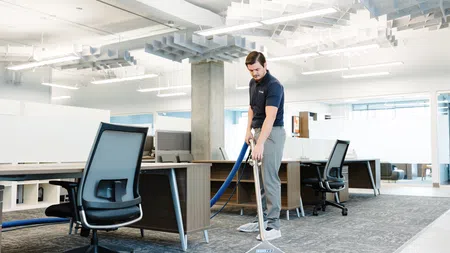
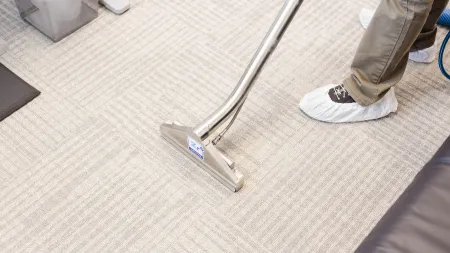
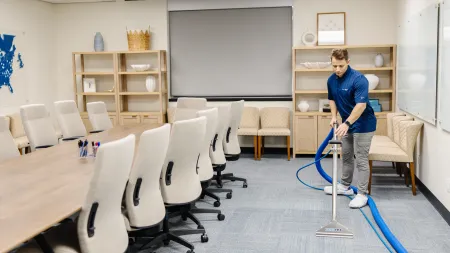
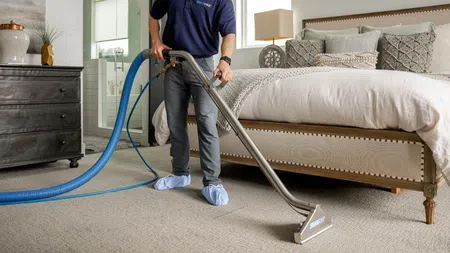
When your carpet needs more than a basic DIY, Zerorez steps in with advanced carpet cleaning methods that pull out grime, soil, and contaminants. Our carpet cleaning process does not rely on heavy detergents or harsh bleach. We clean with Zr™ Water, a powerful cleaning solution that rinses fibers thoroughly and keeps residue from attracting new soil.
Here is how a Zerorez visit can help in a mold situation:
Deep cleaning with our proprietary system handled by a trained carpet cleaner
Removal of built up soil that feeds mold growth and mildew
Fast dry times that reduce dampness, excess moisture, and high humidity concerns
Optional antimicrobial treatments in line with local guidelines, in severe cases where surfaces need extra support
For large areas, recurring mold, or complicated water damage, our team can coordinate with your remediation or professional mold removal specialists so the process feels seamless for you.
How To Prevent Future Mold Growth In Carpet
Once you have dealt with a moldy carpet, you never want to go through that again. A few simple habits make a big difference.
Fix moisture issues fast
Address water leaks from pipes, windows, and appliances quickly
Deal with spills and wet carpet immediately so they do not linger
Control humidity and airflow
Run a dehumidifier in rooms that feel damp
Let your hvac circulate air regularly
Use open windows when the weather is dry and comfortable
Keep the area dry after cleaning
After any cleaning project, help the carpet dry out completely
Position fans so the whole area dry can stay that way
Watch for early signs
Notice any new musty smell or musty odor
Pay attention to persistent sneezing or respiratory issues that flare up in one room
Look for early spotting instead of waiting for a full blown infestation
Schedule regular Zerorez visits
Routine Zerorez professional cleaning helps remove the soil that feeds mold spores and other allergens
Our process supports a healthier environment for homeowners who want fresh, clean floors that feel good underfoot
When you combine smart everyday habits with expert help, you reduce the chance of future mold growth and give your home a cleaner, easier to breathe atmosphere.
Ready For A Fresher, Healthier Home?
If your carpet has mold, moisture issues, or a stubborn musty smell that keeps coming back, Zerorez is here to help. Our residue free cleaning process lifts soil, contaminants, and odors so your floors stay cleaner longer.
Schedule your professional cleaning and get your home feeling fresh again.