How to Dry Wet Carpet Fast in Phoenix
To dry wet carpet fast, stop the water source first, then remove standing water with a wet/dry vacuum, run fans and a dehumidifier for continuous airflow, and check the padding underneath, since surface carpet can look dry while the padding stays soaked. Most small spills dry in 2 to 6 hours. Carpet that's been wet for more than 24 hours is at risk for mold and needs professional attention.
So your carpet is wet. Maybe really wet. Maybe you stepped off the tile and your sock made that awful squish sound. In Phoenix, we do not get rain every day, but when we do, it can show up fast. Monsoon storms, busted sprinklers, a leaking water heater, or an overflowing washer that decides it is done being helpful.
The good news is you can often dry wet carpet quickly if you act right away.
The bad news is if you wait too long, you can end up with mold growth, musty odor, and the kind of water damage that turns into further damage and a bigger bill.
Let's get your home back to normal.
First Things First: How Long Does It Take Carpet to Dry?
Drying time depends on how soaked it is and what is underneath. In Phoenix, the dry air helps, but only if you do the right steps.
Typical carpet drying timelines:
Dampness from a small spill: 2 to 6 hours
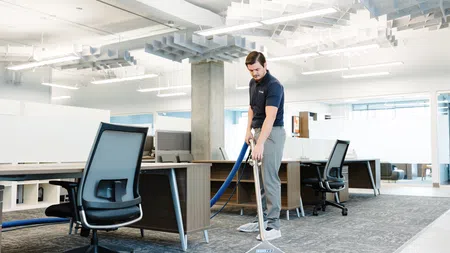
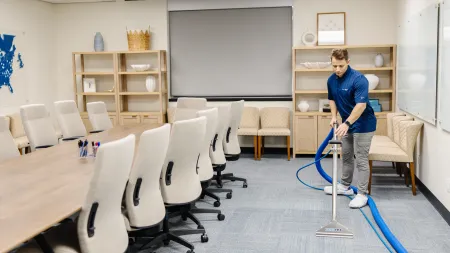
After a professional Zerorez cleaning, carpets are typically damp for about 4 to 6 hours
Wet area from a leak you caught early: 8 to 24 hours
Soaked carpet or floodwater: 24 to 72 hours or longer
If your carpet is still wet after 24 hours, you are in the danger zone for mold spores and odors.
Step 1: Find the Source and Stop the Water
Before you do anything else, stop the problem:
Shut off the water line if it is a leak
Pause the washing machine
Fix a sprinkler head blasting your wall
Block off the affected area so nobody tracks water everywhere
If this is floodwater, especially from outside or a drain backup, treat it like contamination. That is not safe DIY clean up territory.
Step 2: Pull Up Excess Water Fast
If you want to avoid mold growth, you need to remove as much excess water as possible right now.
Best Tool: Wet/Dry Vacuum
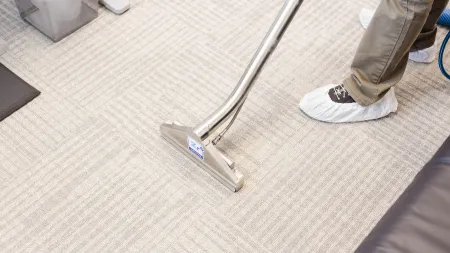
A wet/dry vacuum is your MVP here. Some people call it a wet vac. Same thing. Go slow and do multiple passes.
Tips for water extraction:
Vacuum in rows like you are mowing the lawn
Empty the tank often so suction stays strong
Press down a little to help pull water out of carpet fibers
No wet vac? You can rent one from a local hardware store. If it is truly a soaked carpet, renting is worth it.
If You Only Have Towels
Use towels to blot. Do not rub. Stand on the towel to force water up. Repeat until the towel is not picking up much.
Not glamorous, but it helps.
Step 3: Start Airflow Immediately
Here is where Phoenix has an advantage. Our air is usually dry enough that a good drying process can go faster than in humid places.
But you need airflow.
What to do right away:
Turn on ceiling fans
Put box fans facing across the carpet, not straight down
Add air movers if you have them. These are the serious, high-powered fans
If you have ever seen restoration services show up, they are not using magic. They are using powerful airflow and water extraction equipment. That is the whole game.
Step 4: Use a Dehumidifier (Yes, Even in Phoenix)
People assume a dehumidifier is only for humid states. Not true.
A dehumidifier helps because wet carpet releases moisture into the air, which slows drying once the room gets loaded with humidity.
Run it in a closed room for best results.
Bonus: If you have AC running, that also helps pull moisture out of the air.
Step 5: Open Windows or Keep Them Shut?
You will see advice everywhere to open windows, and sometimes that is perfect.
Open windows if:
It is a dry day
You can create cross-breeze with fans
Keep windows closed if:
It is actively raining
Humidity is high during monsoon season
You are trying to dehumidify a room
Simple rule: if outside feels sticky, do not invite it in.
Step 6: Do Not Forget the Carpet Padding
This is where a lot of DIY goes wrong. The carpet may feel okay, but the carpet padding underneath can hold a ridiculous amount of water.
If the padding stays wet:
You get lingering dampness
You get musty odor
You get a higher chance of mold growth
The carpet can re-wet itself from below
If water soaked through to the padding, you may need to lift part of the carpet near the edge and check.
What About the Subfloor?
If the water reaches the subfloor, drying becomes more important. Wood can swell. Odors can stick. That is where further damage can start.
If you suspect water under the padding, this is the moment many homeowners bring in help. Drying underneath carpet is a pain, and doing it wrong usually means doing it twice.
Step 7: Sprinkle Baking Soda for Odor Help
Yes, baking soda still works. It will not replace fans and extraction, but it can help with smell and mild moisture.
How to use it:
Once the surface is no longer wet, sprinkle baking soda lightly
Let it sit 30 minutes to a few hours
Vacuum it up thoroughly
If the carpet still feels wet underneath, do not rely on baking soda alone.
Step 8: Watch for Mold Signs
Phoenix homes dry fast, but mold spores do not need a swamp to cause problems. They need time and moisture trapped in the wrong places.
Look for:
Musty odor that will not go away
Dark spotting
Carpet that stays cold and damp
Allergies acting up indoors
If you smell mildew, you need to speed things up.
Mild Mildew DIY Options
If it is truly small and surface-level:
Increase airflow
Keep the dehumidifier running
But if the padding or subfloor got wet, do not gamble. Mold growth behind the scenes is expensive.
Step 9: Clean Up Safely (Drying Is Not the Whole Job)
Drying the carpet fixes the moisture problem. But you also want to avoid a gross leftover smell.
If this was clean water, like a supply line leak:
Basic clean up plus drying may be enough
If this was dirty water, like washer overflow or outside water:
You need a more thorough clean
This is especially true with floodwater. Floodwater can contain contaminants you do not want in your carpet fibers.
Step 10: Should You Do DIY Carpet Cleaning After?
Usually yes, especially if the wet carpet came from anything other than clean water.
Options include:
Carpet cleaner machine rental or a home unit
Steam cleaning (be careful, steam adds moisture again)
Deep cleaning with proper extraction
If you are going to do DIY carpet cleaning:
Make sure the carpet is already mostly dry
Use fans and a dehumidifier after
Do not soak it again
For more expert tips on keeping carpet clean, extending its life, and handling messes the right way, check out our Complete Carpet Care Guide.
FAQ
How long can carpet stay wet before it molds?
Carpet that's still wet after 24 hours is at real risk for mold growth, especially if the padding underneath is also saturated. In Phoenix's dry climate, surface carpet often feels dry well before the padding does, so it's worth checking underneath even if the top looks fine.
Will a fan alone dry wet carpet?
A fan helps move air across the surface, but it won't pull water out of the padding or subfloor. Pair fans with a wet/dry vacuum to remove standing water first, and add a dehumidifier if the room stays humid.
Does Phoenix's dry climate make wet carpet dry faster?
Yes, generally. Low humidity helps surface moisture evaporate faster than in more humid climates. But a soaked carpet pad traps water regardless of how dry the air outside is, so don't skip the extraction and airflow steps just because it's dry outside.
When should I call a professional instead of drying it myself?
Call a professional if the carpet has been wet for more than 24 hours, if the padding is soaked, if the water came from outside or a drain backup, or if you notice a musty smell. Those situations usually need extraction equipment and drying methods beyond what's available at home.
Can I just replace the padding instead of drying it?
Sometimes, but that depends on how much of the room is affected and whether the subfloor was also exposed to water. A professional can assess whether drying in place or replacing the padding is the better option for your situation.
Quick Checklist: Fastest Way to Dry Soaked Carpet
Stop the source of water
Use a wet vac or wet/dry vacuum for water extraction
Add strong airflow (fans plus air movers)
Run a dehumidifier
Decide if you should open windows based on humidity
Check carpet padding and subfloor
Handle odor with baking soda
Watch for mold growth signs
Move fast to prevent further damage
When You Should Stop DIY and Call the Pros
Some situations go past "grab a fan and hope."
Call for professional carpet cleaning help if:
The carpet has been wet more than 24 hours
The carpet padding is soaked
You are dealing with floodwater
The room smells like mildew
Water reached multiple rooms
You want documentation for a warranty or insurance
You want a true dry out without ripping everything up
If you're on the fence about bringing in help, here's a helpful breakdown: Is Professional Carpet Cleaning Worth It?
Want It Handled Quickly and Properly?
If you have pulled up what you can and you still have a wet area, or the carpet padding feels soaked, it may be time for a reset.
That is where professional carpet cleaning and strong water extraction equipment really helps, especially when you want a true dry wet carpet result, not just "it feels okay on top."
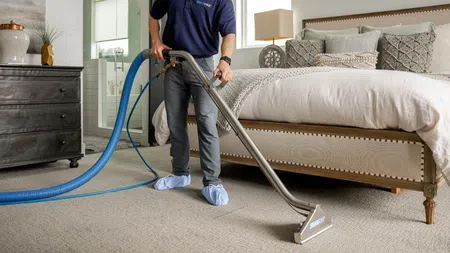
Zerorez Phoenix can help with carpet cleaning, deep cleaning, and getting your carpet fibers fresh again after a water damage situation. Our Zr™ Water cleaning process uses less water and extra extraction, so carpets dry faster and are typically just damp for a few hours. We also offer area rug cleaning and upholstery cleaning, which is a lifesaver if the water reaches a rug, a couch, or a favorite chair.
If you are trying to avoid further damage or want the drying process done right the first time, it's worth calling and scheduling a service with a local team that knows Phoenix homes.