Why Is My House So Dusty? A Salt Lake City Homeowner’s Guide to Less Dust
If you live along the Wasatch Front, you have probably asked yourself, why is my house so dusty, while wiping your table again. You clean, you vacuum, and somehow the dust still comes back. It can feel like there is always lots of dust in your living room.
You are not alone. Homeowners across Salt Lake City, Sandy, Draper, West Jordan, and Layton deal with the same thing. Our dry climate, older homes, and long heating season all add to dust buildup.
Here is what is really causing it and what you can do to get less dust in your home.
What Is Dust Made Of?
Before fixing dust problems, it helps to know what you are dealing with.
Household dust is not just dirt. It is a mix of many tiny particles, including:
Skin cells from people and pets
Pet dander
Dust mites and their waste
Outdoor dust tracked in from shoes and wind
Pollen and other allergens
Fibers from clothing, carpet, and upholstery
Pollutants that sneak in through doors and windows
The CDC says dust problems often come from poor cleaning and bad airflow, which lets dust build up and float through the air instead of being removed. They also point to HVAC systems with weak filtration as a major reason respirable dust keeps spreading inside homes.
All these dust particles are light. They float easily and settle on flat surfaces like shelves, baseboards, ceiling fans, and furniture.
In dry places like Salt Lake City, airborne dust stays in the air longer. That leads to more dust settling everywhere.
Why Is My House So Dusty in Utah?
Utah homes deal with a few extra challenges.
Dry Climate and Outdoor Dust
Salt Lake City has low humidity for much of the year. Dry air helps dust move around instead of sticking to surfaces. Outdoor dust also finds its way inside through open doors, windows, and even tiny cracks.
Construction, wind, and nearby mountains all add to the sources of dust outside. That outdoor dust becomes indoor dust fast.
Long Heating and Cooling Seasons
Your HVAC system runs a lot. The air conditioner in summer and the furnace in winter keep air moving nonstop. That airflow pushes dust through your home.
If your HVAC filters are dirty or low quality, dust just keeps recirculating.
Older Homes and Gaps
Many homes along the Wasatch Front are older. Small gaps around windows, doors, and baseboards let outdoor dust sneak in. Poorly sealed basements are another big source of dust accumulation.
A little caulk in the right places can make a big difference.
Common Sources of Dust Inside Your Home
Let's walk through the most common dust sources that homeowners overlook.
HVAC System and Ductwork
Your HVAC system is one of the biggest contributors to excessive dust.
Here is how it happens:
Dirty or cheap air filters fail to trap dust
Leaky ductwork pulls in dust from attics and basements
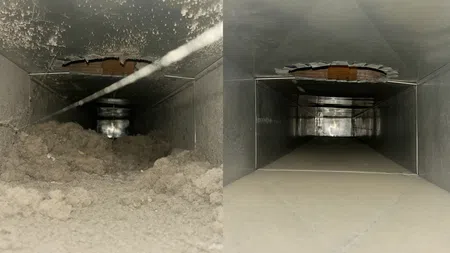
Old air duct systems hold years of dust buildup
When the system turns on, dust gets blown into every room.
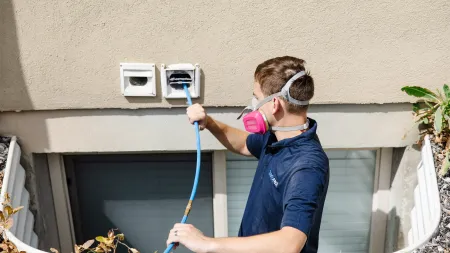
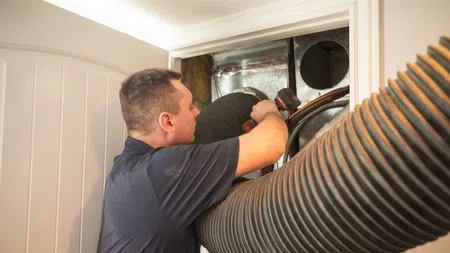
Air duct cleaning can help when ducts are full of debris. It is especially helpful after remodeling or in homes with pets.
Air Filters That Do Not Work Well
Not all HVAC filters are created equal.
Basic filters catch large debris but miss tiny particles. That means more airborne dust circulating through your home.
A high-efficiency filter with a better MERV rating can trap more dust, pollen, and fine particles. A HEPA filter is even stronger, though not all systems support them.
Changing HVAC filters on a regular cleaning schedule matters just as much as buying the right one.
Pets and Pet Dander
If you have dogs or cats, pet dander is part of your dust problem.
Pet hair breaks down into tiny particles. These mix with skin cells and spread through the house. Upholstery, carpet, and area rugs trap pet dander and release it back into the air.
Regular vacuuming helps, but deep clean services go much further.
Cleaning Habits That Spread Dust
Some cleaning habits actually make dust problems worse.
Feather duster use pushes dust into the air
Dry cloths scatter dust particles
Skipping baseboards lets dust pile up
A microfiber cloth or damp cloth traps dust instead of spreading it. That alone can lower dust levels fast.
Why Dust Keeps Coming Back After You Clean
You wipe down surfaces, and two days later the dust is back. Here is why.
Dust Is Always Being Made
People shed skin cells every day. Pets shed too. Fabric fibers break down. Even paper and cardboard release dust.
This means some amount of dust is normal for homeowners.
Airflow Moves Dust Around
Airflow from vents, ceiling fans, and walking through rooms stirs dust up again. Once it becomes airborne dust, it settles somewhere else.
This is why dust settling never seems to stop.
Hidden Dust Gets Released
Dust hides in:
Carpets
Upholstery
Mattresses
Air ducts
Each time you sit down or turn on the HVAC system, dust gets released back into the air.
Surface cleaning alone does not solve this.
How to Reduce Dust in Your Home
You may not eliminate dust completely, but you can get much less dust with the right steps.
Upgrade Your HVAC Filters
This is one of the easiest wins.
Use high-efficiency HVAC filters
Choose the highest MERV rating your system allows
Replace filters every 1 to 3 months
Clean filters trap dust instead of letting it recirculate through your home.
Consider an Air Purifier
An air purifier with a HEPA filter removes tiny particles from the air.
Place one in the living room or bedroom for best results. This helps with airborne dust, fine particles.
Seal Gaps With Caulk
Check around:
Windows
Doors
Baseboards
Basement walls
Adding caulk reduces outdoor dust entering your home.
Adjust Your Cleaning Routine
Small changes help a lot.
Use a microfiber cloth or damp cloth
Vacuum slowly and often
Clean baseboards monthly
Wipe ceiling fans before turning them on
Avoid feather duster use. It looks easy but spreads dust everywhere.
Wash Fabrics Regularly
Dust loves fabric.
Wash or clean:
Curtains
Throw blankets
Pet beds
Area rugs
This reduces dust accumulation throughout your home.
Signs Your Dust Problem Is Bigger Than Normal
Some dust is normal. Some is not.
Watch for these signs:
Lots of dust showing up daily
Dust coating furniture soon after cleaning
Dust blowing out of vents
Gray buildup around baseboards
These point to HVAC system issues, dirty ductwork, or the need for a deep clean.
Why Professional Deep Cleaning Makes a Difference
Even with good cleaning habits, homes need help from time to time.
A professional deep clean removes dust from places you cannot reach easily. This includes carpet fibers, upholstery, and high-traffic areas.
Professional services trap dust instead of spreading it around. That leads to less dust settling afterward.
A Simple Dust Control Checklist
Here is a quick list you can skim and use right away.
Change HVAC filters regularly
Use high-efficiency filtration
Seal gaps with caulk
Clean with microfiber or damp cloth
Wash fabrics often
Vacuum upholstery and carpets
Consider air duct cleaning
Add an air purifier or humidifier
Each step helps reduce the amount of dust in your home.
Call Zerorez Salt Lake Today
Zerorez Salt Lake helps homeowners across the Wasatch Front reduce dust buildup with our proprietary cleaning process. From carpet cleaning to upholstery, our advanced cleaning technology removes embedded dirt and debris without leaving behind sticky residue.
Schedule your deep clean with Zerorez Salt Lake today.