How to Reduce Allergens From Your Home in Los Angeles
Los Angeles is made for outdoor living. Morning walks. Patio dinners. Open windows in January.
But if you're sneezing, dealing with itchy eyes, or stuck with a runny nose when you're not actually sick, particles inside your home may be contributing to how you feel.
This quick SoCal guide walks through simple, realistic ways to reduce indoor dust, dander, and other non-living allergens, without spending your entire weekend cleaning.
What Are the Most Common Indoor Allergens in Los Angeles?
Indoor allergens are tiny particles that circulate through your home. In LA, the most common include:
Dust and dirt
Pet dander
Pollen that enters through open windows
Mold spores from damp areas
Particles trapped in carpet and upholstery
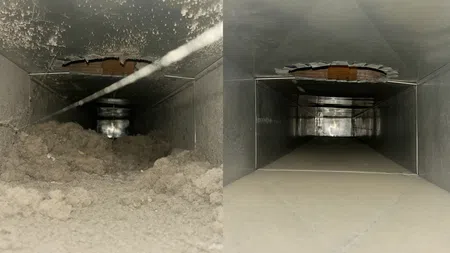
Dust buildup inside air ducts
Carpets act as one of the largest air filters in your home. Over time, they collect dirt, debris, and particles that settle deep into the fibers. Experts recommend professional deep cleaning every 12-18 months to maintain a clean and healthy home environment.
How Do I Reduce Allergens From the Air in My Home?
If your goal is better indoor air quality, start with the air you breathe all day.
Use a HEPA Filter or High-Efficiency Particulate Air Filter
A true HEPA filter (high-efficiency particulate air) is designed to trap very small particles like dust, pet dander, and some mold spores.
Look for air purifiers, an air cleaner, or a standalone air filter that specifically says HEPA, not "HEPA-type."
Best places to use one:
Bedroom
Living room
Near pet beds or litter areas
Replace Your HVAC Air Filter Regularly
In Los Angeles, air conditioning runs a lot, especially during heat waves. If your air filter is old or low quality, it can recycle particles instead of capturing them.
A few easy habits:
Change your HVAC air filter on schedule
Choose a better filter rating if your system allows it
Keep vents clean and clear
Pay attention to musty odors around air conditioners
Cleaner airflow means fewer indoor allergens swirling around.
Consider Air Duct and Vent Cleaning
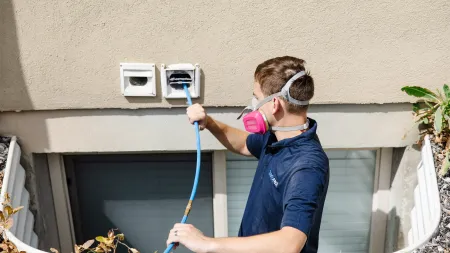
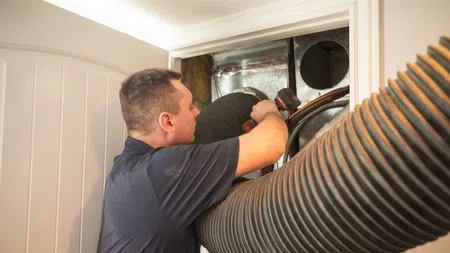
You might also want to consider air duct cleaning. Dust can build up in places you never see, then spread through air conditioning.
If you want a deeper look at how it works and when it matters, Zerorez has a helpful guide, The Homeowner's Guide to Air Duct and Dryer Vent Cleaning.
How Do I Get Rid of Dust Mites in Bedding?
Dust mites are one of the most common triggers for indoor allergies. They love warm, soft areas and bedding is basically their favorite neighborhood.
Wash Bedding Weekly in Hot Water
This is the big one. Wash sheets, pillowcases, and blankets in hot water every week. Warm water does not do the same job.
If you want fewer dust mites fast, this is your move.
Encase Your Mattress and Box Springs
Use allergen-proof covers to encase:
Mattress
Pillows
Box springs
People forget box springs, but they hold dust and dust mites just as easily.
Choose Washable Comforters
If your comforters are washable, wash them regularly. If they are not, consider switching to something easier to clean.
Dust mites love bulky, rarely-washed bedding.
How Do I Remove Pet Dander From My Home?
Pet dander is small and lightweight, which makes it easy to spread through soft surfaces like:
Carpet
Upholstered furniture
Pet bedding
Area rugs
Helpful habits:
Brush pets outside
Wash pet bedding in hot water
Vacuum frequently with a sealed HEPA vacuum
Use air purifiers
If you notice pet spots or odors, professional cleaning can treat affected areas and help restore the vibrancy of your carpet.
What Is the Best Vacuum Cleaner for Allergies?
Not all vacuuming is created equal when you're house cleaning. A weak vacuum cleaner can stir up particles and send them back into the room.
Look for a vacuum cleaner that has:
Strong suction
Sealed filtration
A HEPA or high-efficiency particulate air system
Vacuum slowly to allow the suction to lift embedded dirt and debris. Quick passes often skim the surface.
What About Wall-to-Wall Carpeting?
Carpet holds onto dust, dirt, pet dander, and other particles deep within the fibers.
Helpful habits:
Vacuum high-traffic areas twice per week
Use upholstery tools along baseboards
Leave shoes at the door
Even with consistent vacuuming, embedded debris can build up over time.
How Do I Clean Upholstered Furniture?
Sofas and chairs collect:
Dust
Dead skin cells
Pet dander
Dirt tracked in from outdoors
Best practices:
Vacuum cushions and seams weekly
Wash removable covers
Avoid heavy fragrances
When Should Windows Stay Closed?
Open windows feel great in Southern California, but they also allow pollen and outdoor particles inside.
If you live near:
A freeway
A busy street
High seasonal pollen areas
Consider keeping windows closed during peak air quality alerts and using indoor filtration instead.
If you want a solid overview of how Southern California air impacts your home, this Zerorez SoCal post is worth reading here: Southern California Air Quality
When Is Professional Carpet Cleaning Helpful?
Over time, carpets collect dirt, dust, debris, pet dander, pollen, and other non-living allergens that basic vacuuming doesn't fully extract.
Zerorez® - The Right Way To Clean® uses a proprietary cleaning process:
The Zr™ Lifter to loosen embedded debris
The enclosed-system Zr™ Wand for powerful extraction
Zr™ Water®, a proprietary cleaning solution that is free of harsh chemicals, soaps, detergents, and fragrances
Zr™ Water® is safe for people, pets, and the planet and does not leave a soapy residue behind.
A Cleaner Home Starts with the Right Process
If you're in Los Angeles or anywhere in Southern California and want a cleaner home, scheduling a service with Zerorez SoCal is a smart option to keep in your back pocket.