Home Cleaning Tips for New Pet Owners
Home Cleaning Tips for New Pet Owners
Pets bring endless joy, loyalty, and laughter into our lives. However, they also introduce fur, pawprints, and the occasional mystery smell that can turn cleaning into a daily challenge.
For new pet owners, keeping a home fresh and presentable without sacrificing comfort for their furry friends can feel overwhelming. You can enjoy the best of both worlds with the right strategies: a spotless home and happy pets.
These home cleaning tips for new pet owners focus on practical, safe, and effective ways to tackle pet messes, prevent odors, and maintain a healthy space.
Whether managing shedding, preventing muddy tracks, or ensuring cleaning products are pet-safe, these tips make keeping your home clean far more achievable.
Read on to learn more.
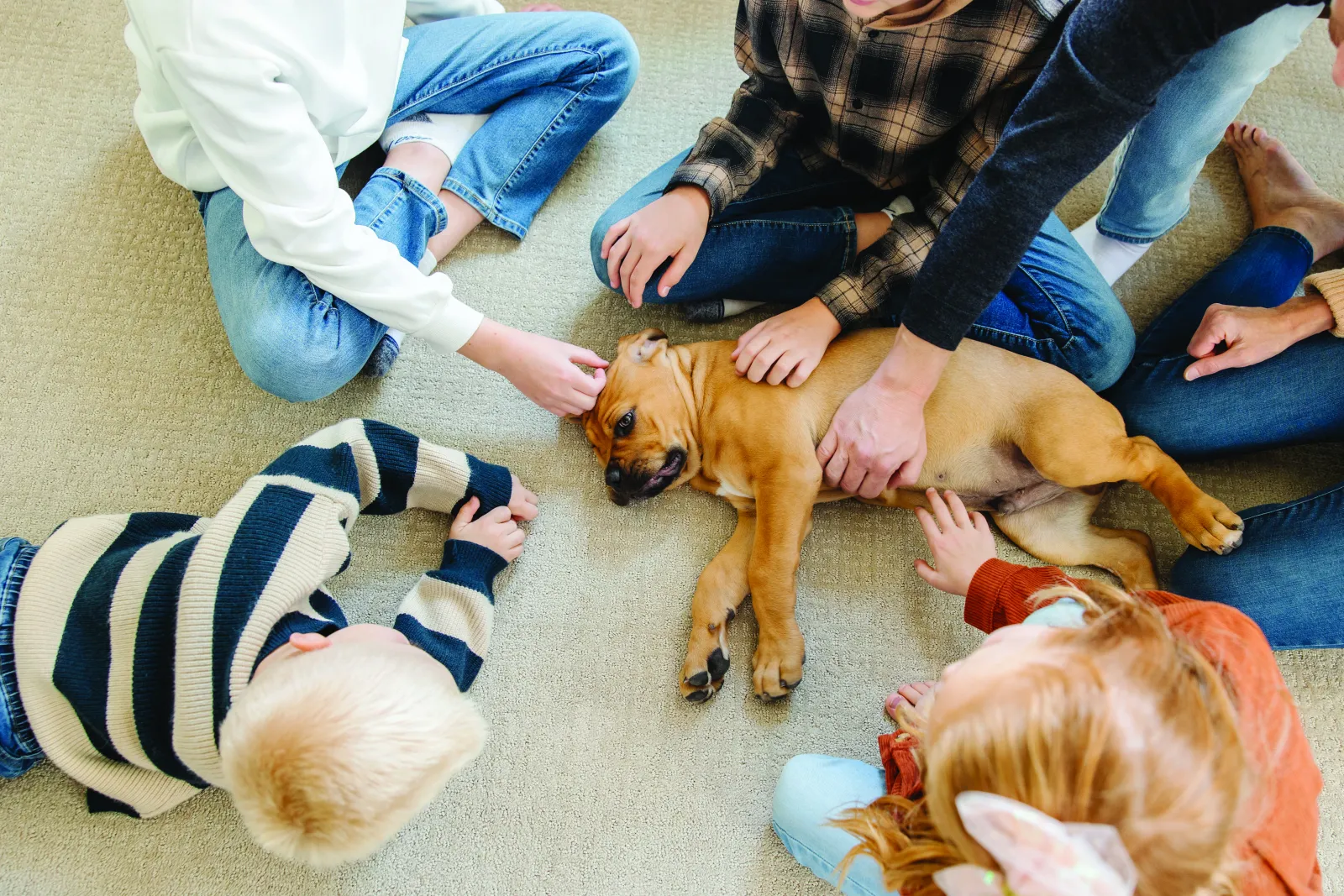
How Often Should You Clean Your Home When You Have Pets?
- Cleaning frequency depends on your pet's breed, age, and shedding habits. A consistent routine keeps your home fresh and manageable.
- Daily floor care prevents hair and dander from building up in high-traffic areas. Quick sweeps or spot vacuuming can make a big difference.
- Vacuum two to three times a week, or daily if you have multiple or heavy-shedding pets, to control fur and allergens.
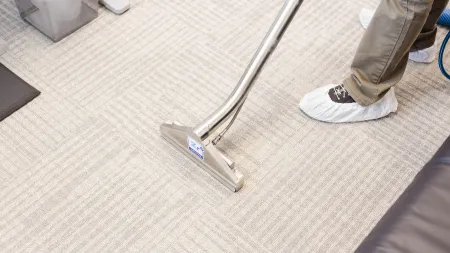
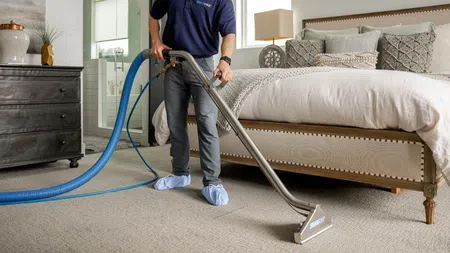
- Weekly cleaning, including mopping or steam cleaning, is ideal. To avoid harmful residues on carpets, use a carpet cleaner safe for pets.
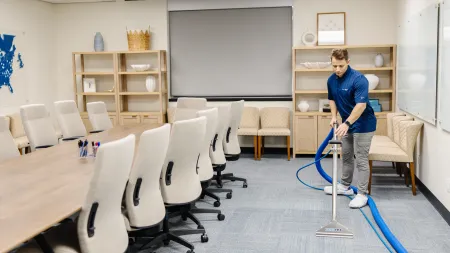
- Quarterly or seasonal deep cleans are critical, such as steam cleaning your carpets, grout deep cleaning, and upholstery cleaning.
Wash Pet Bedding Weekly
Pet beds and blankets quickly accumulate fur, dander, and odors. Laundering them at least once a week helps maintain freshness, reduce allergens, and prevent lingering smells.
After washing, inspect for stubborn hair or stains and spot clean if necessary. This consistent care keeps fabrics cleaner and your home more hygienic for pets and people.
Vacuum Frequently
Pet hair and dander embed in carpets, upholstery, and hard flooring. Vacuum every 2 - 3 days, often for multi-pet households or heavy shedders.
Prioritize high-traffic zones and your pet's favorite lounging areas, but don't forget overlooked spots like under furniture, along baseboards, and in corners. Use specialized pet-hair attachments to lift stubborn fur from fibers.
When regular upkeep becomes challenging, a professional cleaning service can help keep your home clean and fresh.
You may also consider adapting hypoallergenic dog breeds to prevent too much shedding on carpet.
Dust Often to Reduce Allergens
Pets naturally shed dander that settles on furniture, fabrics, and hard surfaces. Frequent dusting, especially on couches, curtains, and bedding, helps prevent allergen buildup and keeps the air fresher.
This is especially beneficial for households with allergy sufferers.
Address Accidents Promptly
Pet stains and odors penetrate surfaces quickly, particularly carpets and tile. For effective tile and carpet cleaning for pets, use a high-quality enzymatic cleaner to neutralize odors at their source.
Alternatively, for carpet or tile cleaning for pets accidents, use a vinegar-and-water solution. Let it sit for a few minutes, then blot and rinse. Immediate action helps prevent permanent staining and discourages repeat incidents.
Groom Pets Regularly
Regular grooming controls shedding, maintains a healthy coat, and protects home surfaces. Brushing removes loose fur before it settles on furniture, flooring, or clothing.
Short-haired pets typically need brushing two to three times per week, while long-haired or double-coated breeds may require daily sessions during heavy shedding periods. Using slicker brushes, undercoat rakes, or de-shedding combs improves efficiency.
A balanced diet rich in Omega-3 and Omega-6 fatty acids supports coat health. At the same time, regular nail trimming prevents scratches on floors and upholstery.
If you have cats, consider buying carpet protectors. Also, learn how to prevent them from clawing carpets.
Paw-Cleaning Routines Keep Dirt and Germs Outdoors
Outdoor play is healthy for pets, but it can bring dirt, mud, and bacteria indoors. Set up a paw-cleaning station near your main entry with a washable mat, towel, pet-safe wipes, or a shallow bowl of warm water.
Wipe each paw, checking between toes where grit hides. For hard floors, a quick mop with a diluted, pet-safe cleaner removes stray prints without leaving residue.
A UV Light Reveals Hidden Pet Messes
A UV detection light helps locate hidden accidents, even after they dry. Scan floors, rugs, carpets, and furniture in a dark room. High-quality 365nm models reveal stains more clearly.
Once you spot pet urine, blot any moisture and apply an enzyme-based cleaner. Avoid heat or harsh chemicals, which can set stains or deactivate enzymes.
Say Goodbye to Pet Hair & Mess with Zerorez!
Ready to enjoy a cleaner, fresher home with your furry friends? Count on Zerorez for expert pet urine and odor removal, targeted pet spot treatments, complete carpet cleaning, and whole-home cleaning, without harsh chemicals.
Book your pet-safe deep clean today! Better yet, call us now!