Why Is My House So Dusty? A Phoenix Homeowner’s Guide to Stopping the Dust
If you live in Phoenix and feel like you are dusting every day but still seeing dust build up, you are not alone. A lot of homeowners ask the same thing: why is my house so dusty?
In the Valley, dust seems to come back overnight. Your living room looks clean, then suddenly the baseboards are dusty again. Let's break down where all that dust comes from and what Phoenix homeowners can do to lower dust levels and enjoy a fresher, cleaner home.
Your Quick Answer
Your house gets dusty because of a mix of:
Outdoor dust in the desert
Air conditioner and HVAC system airflow
Dirty or poor air filters
Pet dander and skin particles
Dust particles from upholstery, carpets, and window treatments
Non-living allergens that circulate through air ducts
What Is Household Dust Made Of?
Dust in your home is not just soil from outside. It includes:
Dead skin cells from you and your family
Pet dander and fur
Non-living allergens and debris
Particles from outside
Fibers from upholstery and window treatments
Dust particles stirred up by air movement
Outdoor Dust Is a Big Deal in Phoenix
Phoenix sits in a desert basin, and the fine, dry sand and soil that surround the valley get carried indoors more easily than dust in most other climates. Wind events and monsoon season both stir up loose particles that settle on window sills, get tracked in on shoes and paws, and drift in through door seals and open windows.
That desert dust is also finer than dust in wetter climates, so it stays airborne longer and works its way deeper into carpet, air ducts, and HVAC filters instead of settling quickly. Homes closer to unpaved areas, new construction, or major roads tend to notice the difference most, since disturbed soil and vehicle exhaust both add to the particle load moving through the air.
Air Quality and Your HVAC System
Your HVAC system moves air all day. That means it moves dust, too. Dust problems often come from restricted airflow, which lets dust build up and float through the air instead of being removed.
If your HVAC filters are low quality or dirty, dust passes right through them and redistributes into your living rooms and bedrooms. Upgrading to better air filters, like ones with a higher MERV rating, makes a huge impact. A high-efficiency filter catches smaller particles such as:
Non-living allergens
Pet dander
Skin particles
Tiny airborne dust
How Your HVAC System and Air Ducts Spread Dust
Every time your HVAC system turns on, air moves through your ducts and picks up whatever has settled inside them, including dust, pet dander, and skin particles. In a typical Phoenix home, that can mean dozens of cycles a day during peak summer cooling, each one redistributing settled dust back into the rooms you just cleaned.
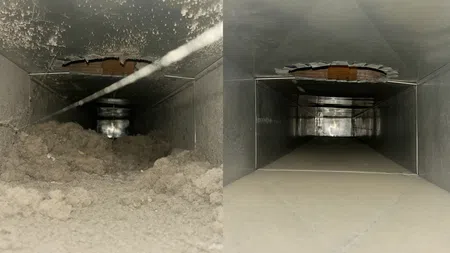
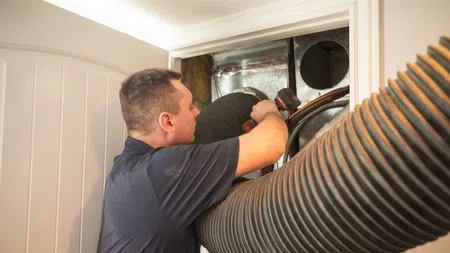
Ducts that haven't been cleaned in several years often have a visible buildup where air flow is highest, and that buildup gets worse the longer a system runs without maintenance. Pairing a MERV-rated filter upgrade with periodic duct cleaning addresses both ends of the problem: the filter catches particles moving through the system, and duct cleaning removes what's already built up inside.
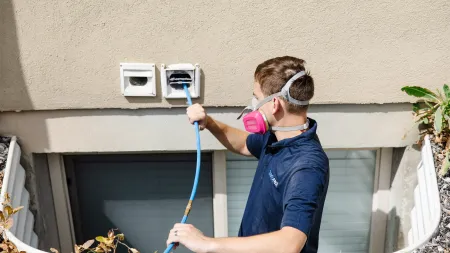
Zerorez explains this in depth with their Air Duct and Dryer Vent Cleaning Guide, which shows how duct cleaning helps reduce dust and improve the cleanliness of your air.
Pet Dander and Dust
Pets are great family members, but they add to the dust load. Pet dander and shedding add to dust buildup on floors and in the ducts. Regular cleaning and better filtration make a big difference in managing these particles.
Indoor Air Quality and Dust
Dust particles carry external particles, pet dander, and non-living allergens. Improving dust control makes your home feel fresher, more comfortable, and visually cleaner.
Ceiling Fans and Airflow Stir Up Dust
Ceiling fans are great for comfort, but they also stir up dust if the blades are dirty. Every spin can kick up settled dust and send it into the air.
Pro tip: Clean fan blades with a damp microfiber cloth before turning them on to prevent "dust rain."
Smart Cleaning Tips That Actually Work
Microfiber cloths: These trap dust instead of just moving it around.
Damp cloths: These pick up tiny dust particles better than dry dusting.
Vacuum frequently: Pull dust from floors and upholstery before it can become airborne again.
Focus on "Hot Spots": Baseboards, window treatments, and upholstery are major collectors.
Carpet and Dust: What You Need to Know
Carpets trap a huge amount of dust because they act like a giant filter for your home. They hold skin particles, pet dander, and tiny outdoor particles. Regular vacuuming helps, but it does not get what is deep down.
That's why a deep clean from professionals makes a real difference. It pulls out the deep-seated dust that standard vacuums cannot reach. For more tips on protecting your carpet and extending its lifespan, check out the Complete Carpet Care Guide.
Why Professional Cleaning Helps
Professional deep cleaning for carpets, upholstery, area rugs, air ducts, and dryer vents removes the dust that hides deep in fibers and ducts. A professional deep clean reduces the overall dust burden in the home and removes odor-producing substances.
FAQs
Why does my house get dusty so fast in Phoenix?
Phoenix's dry climate and surrounding desert terrain mean fine sand and soil particles are constantly moving through the air, and they get pulled indoors through doors, windows, and your HVAC system faster than in most other regions.
Does a higher MERV filter actually reduce dust?
Yes, within limits. A higher MERV rating captures smaller particles than a standard filter, but check your HVAC manufacturer's recommended range first, since a filter rated too high can restrict airflow and strain the system.
How often should I change my air filter in Phoenix?
Most Phoenix homes need a filter change every 30 to 60 days, especially during peak cooling season when the system runs more often and pulls in more outdoor dust.
Can duct cleaning actually reduce how dusty my house is?
Yes. If your ducts have visible buildup, that debris gets redistributed every time the system runs. Removing it stops that cycle, though a home will still need normal dusting and vacuuming afterward since outdoor dust keeps entering.
Is dust bad for my health?
Household dust can include dead skin cells, pet dander, and other particles that may trigger allergy symptoms in sensitive people. Reducing dust buildup through better filtration and regular cleaning can help minimize that exposure.
Final Thoughts for Phoenix Homeowners
Being a homeowner in Phoenix means you deal with a lot of dust. Use better filters, clean smarter with microfiber, and think about the professionals at Zerorez Phoenix when dust keeps coming back.
Schedule a service with us today and get the deep clean your Phoenix home deserves.