What Is Commercial Cleaning, and How Is It Different From Your Janitor's Routine? (Spokane Edition)
Your janitor empties the trash, vacuums the halls, and keeps the break room from turning into a science fair. That's great. So why does the lobby carpet still look tired, and why are the grout lines in the bathroom slowly turning gray?
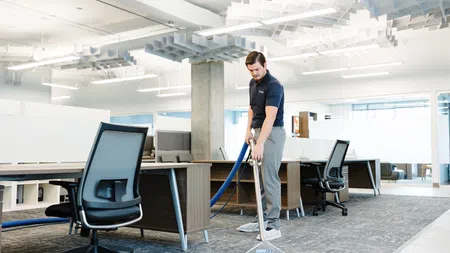
Here's the deal. Commercial cleaning is the professional cleaning of business spaces like offices, stores, and warehouses, and it covers a lot more than daily tidying. Janitorial services handle routine cleaning, like trash removal, dusting surfaces, and mopping floors, while commercial cleaning also includes deep cleaning, floor care, carpet and upholstery cleaning, window washing, and other jobs that need specialized equipment.
Think of your janitor as the daily maintenance crew and commercial cleaners as the deep reset team. Grout is a perfect example, and our tile and grout cleaning brings those lines back to life. Let's sort out who does what.
Commercial Cleaning, Explained in One Coffee Break
"Commercial cleaning" is a big umbrella term. It covers any professional cleaning services done in commercial spaces instead of homes.
That includes offices, retail spaces, restaurants, gyms, warehouses, and full commercial properties with multiple tenants. Some companies even handle industrial cleaning for factories and plants.
The main difference from residential cleaning is scale. Business spaces see way more foot traffic, have bigger floors, and need cleaning that fits around business hours.
A Peek at Your Janitor's Nightly Routine
Janitors are the unsung heroes of every building. Their routine cleaning keeps things running smoothly day after day.
A typical janitorial cleaning shift includes:
- Emptying trash bins and replacing liners
- Vacuuming carpets and rugs
- Mopping floors in kitchens, lobbies, and hallways
- Dusting surfaces like desks, shelves, and windowsills
- Restroom cleaning and restocking supplies
Some buildings also have a day porter, someone on-site during business hours to handle spills and keep high-traffic areas tidy. It's all important work. It's just not designed to reach the dirt that builds up deep down over months.
What Commercial Cleaning Adds to the Mix
This is where commercial cleaning companies step in. They tackle the bigger, less frequent jobs that a janitor's nightly cart isn't built for.
Common examples:
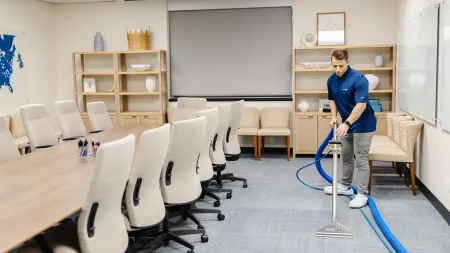
- Deep cleaning carpet and upholstery to pull out ground-in dirt
- Grout cleaning to lift years of grime from tile floors and walls
- Floor maintenance like stripping, scrubbing, and refinishing hard floors
- Window cleaning for the high, hard-to-reach panes
- Pressure washing sidewalks, entryways, and building exteriors
- Post-construction cleanup after a remodel or build-out
If daily cleaning keeps your space presentable, deep cleaning keeps it looking like you actually care. Customers notice the difference, even if they can't put a finger on it.
Janitorial vs. Commercial Deep Cleaning, Side by Side
Still fuzzy on the line between the two? Here's a quick way to tell them apart.
- How often: Janitorial work happens daily or weekly. Deep cleaning happens a few times a year.
- What it targets: Janitors handle surface mess. Deep cleaning goes after buildup hiding in fibers, pores, and grout lines.
- Tools: Janitors use carts, mops, and standard vacuums. Commercial cleaners bring industrial-grade equipment built for heavy-duty jobs.
- Goal: Janitorial keeps things tidy. Deep cleaning restores the look and extends the life of your floors and furniture.
You need both. One without the other is like brushing your teeth but never going to the dentist.
The Equipment Gap (It's a Big One)
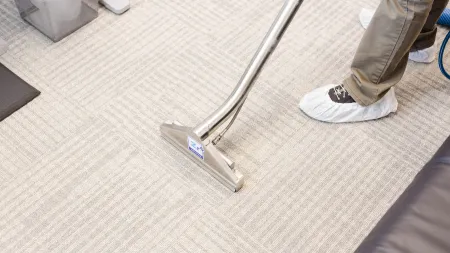
A lot of the difference comes down to tools. Specialized equipment like floor scrubbers and professional extraction machines can reach dirt that a standard vacuum just slides right over.
Method matters too. Our Zr Water is our secret weapon: regular water that's been transformed through an electrolysis process into a cleaning solution tough enough to lift ground-in grime out of carpet and upholstery. It lets us get a deep clean without relying on heavy detergents.
For tile, the right equipment can pull years of buildup out of grout lines that a mop has been pushing around since the building opened. That's the kind of result that makes a lobby feel brand new.
Who Really Needs Commercial Cleaning?
Short answer: pretty much any business with a front door. But some spaces feel it more than others.
Retail spaces and restaurants deal with constant foot traffic. Commercial buildings with shared lobbies and hallways take a beating from tenants and visitors alike.
Here in Spokane, downtown businesses know this well. Every June, Hoopfest packs the streets with thousands of players and fans, and a whole lot of them wander into nearby shops and restaurants. A deep clean before or after a big event like that keeps your floors from wearing the evidence all summer.
Building Cleaning Schedules That Actually Work
The smartest setup combines both types of cleaning on a regular plan. Let your janitorial team own the daily routine, and schedule professional deep cleaning on a calendar instead of waiting until something looks rough.
How often depends on your foot traffic and the type of space. We broke down carpet timing for offices in how often Spokane offices should get commercial carpet cleaning.
Need a bigger-picture plan? Our Commercial Office Cleaning Services Guide walks through how to build one for your office.
A Few Common Mix-Ups
"My janitor already vacuums, so my carpet is clean." Vacuuming grabs loose dirt on top. It doesn't touch the grime packed down at the base of the fibers.
"Residential cleaning companies can handle my office." Some can, but commercial spaces usually need bigger equipment, after-hours scheduling, and experience with heavy traffic.
"Deep cleaning is a luxury." Regular deep cleaning helps your carpet and floors last longer, which saves money on replacements. That's less luxury and more smart budgeting.
FAQ
What is commercial cleaning?
Commercial cleaning is professional cleaning for business spaces like offices, stores, and warehouses. It includes daily tasks plus deeper jobs like carpet cleaning, floor care, and window washing.
What is the difference between janitorial services and commercial cleaning?
Janitorial services focus on daily routine cleaning, like trash, vacuuming, and restrooms. Commercial cleaning is broader and includes deep cleaning and specialty jobs that need professional equipment.
How is commercial cleaning different from residential cleaning?
Commercial cleaning deals with larger spaces, heavier foot traffic, and schedules built around business hours. It often uses bigger, more powerful equipment than home cleaning does.
Is there an industry standard for commercial cleaning?
Groups like ISSA, a worldwide cleaning industry association, publish standards and training resources for the cleaning industry. Many businesses use them as a guide when comparing providers.
How often should a business schedule deep cleaning?
Most businesses do well with deep cleaning a few times a year. Busy spaces like retail stores and restaurants may need it more often.
Your Janitor's Got the Daily Stuff. We've Got the Deep Clean.
Keep your janitor. Seriously, they're great. Just let us handle the carpet, upholstery, and grout that need a heavier hand.
Find out more about our team at Zerorez Spokane. When you're ready for a fresh start, reserve your appointment online and we'll take it from there.